Cost of living in Muscat and Salalah: what to expect
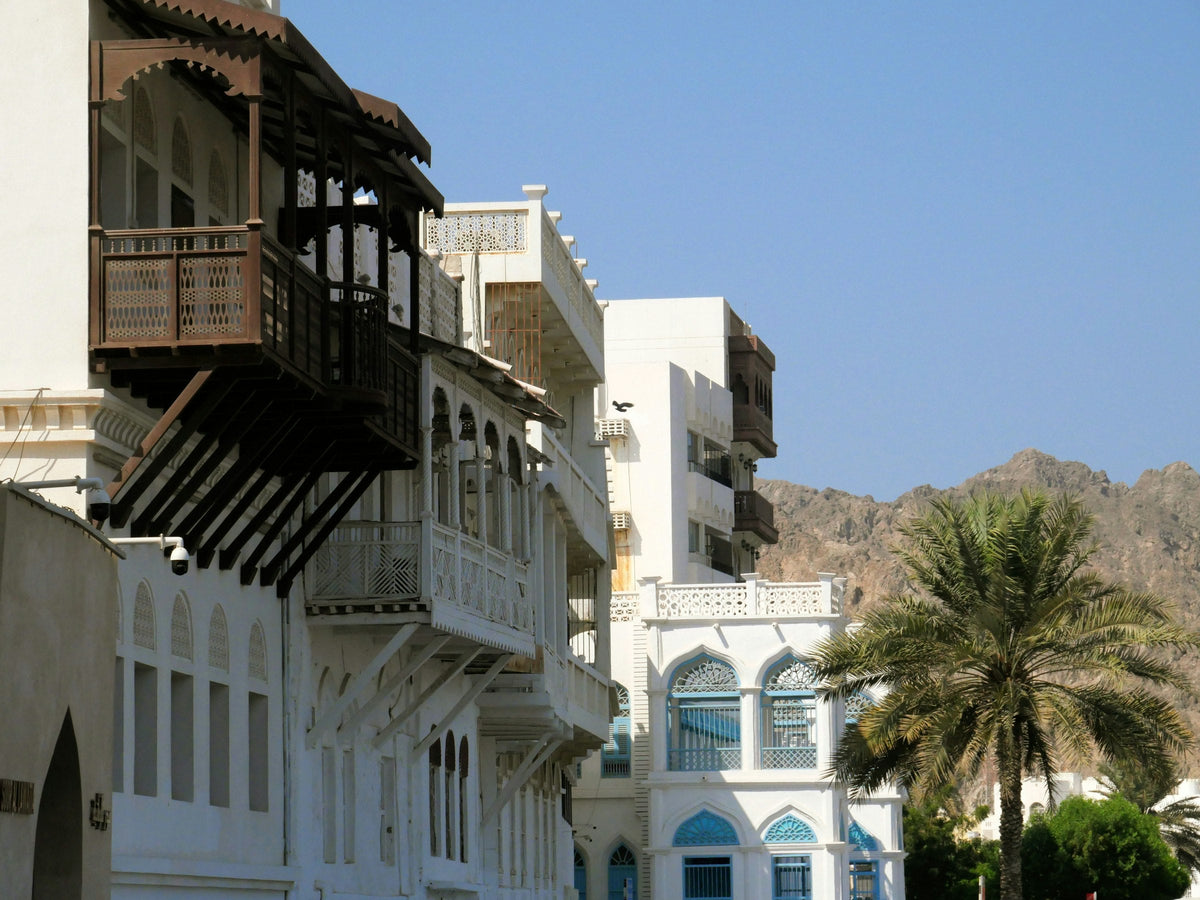
"Is Oman expensive?" is one of the first questions we hear from people thinking of moving here. The honest answer: it depends far more on your lifestyle than on the country. Housing and schooling can take a large share of the budget, while fuel, everyday food and outdoor leisure remain reasonable by Gulf and European standards. Below we look at each budget line, say which figures we could source, explain what drives costs, and compare life in Muscat, the capital, with Salalah, the green heart of Dhofar.
A word on numbers: Oman publishes few official consumer price benchmarks for expats. Where we quote ranges, they come from public sources noted in the text, mostly crowd-sourced and indicative only. Prices move, so always check current listings before committing.
Housing: the biggest line in your budget
Rent is where Muscat and Salalah differ most. On Numbeo, a crowd-sourced database (figures updated September 2026), contributors report for Muscat:
- A one-bedroom apartment in central areas: roughly RO 220–306 per month; outside the centre roughly RO 125–219.
- A three-bedroom apartment in central areas: roughly RO 450–800; outside the centre roughly RO 250–400.
Villas in sought-after areas, or apartments in integrated tourism complexes with pools and sea views, sit well above these ranges. What drives the price in Muscat: proximity to the sea and to international schools, the age of the building, whether utilities are included, and the neighbourhood (Qurum, Shatti Al Qurum, Al Mouj or Madinat Sultan Qaboos are not priced like Al Khoud or Al Amerat).
In Salalah, the same database shows rents substantially lower than in Muscat, though with far fewer data points, so treat this as a trend rather than a price list. One local factor matters a lot: the khareef monsoon season (roughly summer), when visitors flood in from across the Gulf and short-term rentals and hotels become much more expensive. Long-term leases signed outside that season are usually the better deal.
Utilities and internet
Electricity is the item that surprises newcomers, because air conditioning runs most of the year, especially in Muscat. Oman revised its electricity tariffs in January 2025 with a tiered system in baisa per kWh, and bills rise sharply in summer. Numbeo contributors put basic utilities (electricity, water, cooling, refuse) for a standard apartment in Muscat at around RO 69 per month on average, with home internet around RO 27. A large villa with several air-conditioning units in July will cost much more.
Salalah's milder, humid climate during khareef reduces cooling needs for part of the year, which helps, but summer before and after the monsoon is still warm. Ask your landlord for past bills before signing.
Groceries and eating out
Oman charges 5% VAT, but a long list of basic food items is zero-rated, and that list has been extended over time. Local products, fruit, vegetables, fish and bread are good value; imported European brands, cheeses and specialty goods cost noticeably more. Indicative Numbeo prices for Muscat include about RO 0.9 for a litre of milk and about RO 1.15 for a dozen eggs.
Eating out covers a wide spectrum. A simple meal in a local or South Asian restaurant is cheap (Numbeo suggests around RO 2), while hotel restaurants and international chains are priced like any Gulf capital. Alcohol is only served in licensed venues and is expensive. Salalah offers fewer high-end options but excellent local restaurants, fresh fish and seasonal fruit from the plantations, such as coconuts and bananas.
Transport
- Fuel is set monthly by the authorities and remains inexpensive, around RO 0.24 per litre for petrol at the time of writing.
- A car is close to essential in both cities. Budget for purchase or leasing, insurance and registration rather than fuel.
- Public transport: Muscat has a Mwasalat bus network and taxis via apps; Salalah's options are much more limited, so a car matters even more there.
Schools
For families, schooling is often the second biggest cost after housing, sometimes the biggest. Muscat has a wide choice of international schools (British, American, IB, French, Indian and others) with fees ranging from modest community schools to premium institutions charging several thousand rials per year per child, plus registration and transport fees. Salalah has a much smaller choice. Check each school's official fee schedule and waiting list early.
- Housing and schooling decide most of your budget; fuel and local food stay affordable.
- Salalah rents are generally lower than Muscat, but khareef pushes short-term prices up.
- Summer air conditioning makes electricity bills seasonal.
- Use crowd-sourced figures as a guide only and verify current listings.
Healthcare
Expatriates mostly use private clinics and hospitals, which are numerous in Muscat and fewer in Salalah. Oman has been rolling out a mandatory health insurance scheme (Dhamani) under which private-sector employers pay for employees' cover; check what your contract includes and whether your family is covered. Retirees, investors and self-employed residents should budget for private international or local insurance, as premiums vary with age and coverage.
Leisure: the good news
Much of Oman's best leisure is free or cheap: beaches, wadis, mountain drives, souqs and, in Dhofar, waterfalls and green hills during khareef. Cinemas, malls, gyms, private beach clubs and diving add up quickly in Muscat. In Salalah life is simpler and calmer, and weekends are often spent outdoors. Discover the region in our Dhofar guide or start with a stroll through the old town and frankincense souq.
Taxes and the big picture
Oman currently has no personal income tax, which significantly changes the equation for many people. However, a personal income tax law has been announced for 2028, applying a 5% rate to high incomes above a threshold reported at RO 42,000 a year. If you are planning a long stay, include this in your thinking and seek professional tax advice.
Muscat or Salalah: which suits your budget?
- Muscat: higher rents, more schools, hospitals, jobs and services, a larger international community.
- Salalah: lower rents and a quieter pace, nature on the doorstep, fewer services and fewer international schools, with seasonal price spikes in khareef.
Before choosing, read our Oman residency guide to see which residence route fits your profile.
FAQ
Is it cheaper to live in Salalah than in Muscat?
Generally yes for housing, which is the largest expense. Day-to-day costs are similar, and some imported goods or restaurants can be slightly pricier in Salalah. Fewer schools and services may also influence your choice.
How much does electricity cost in Oman?
It depends on consumption and season. Tariffs are tiered since 2025, and air conditioning in summer drives most of the bill. Ask the landlord for past bills before signing a lease.
Is there income tax in Oman?
Not currently for individuals. A 5% personal income tax on high incomes has been announced for 2028. VAT of 5% applies, with many basic foods zero-rated.
Can you give me an exact monthly budget?
We avoid one-size-fits-all numbers. Your budget depends on family size, housing, schools and lifestyle; we are happy to work through it with you.
Want to build a realistic budget for your own move? Book a 45-minute video consultation and we will go through housing areas, schools and residency options for Muscat or Salalah together.