15 unforgettable things to do in Salalah and Dhofar
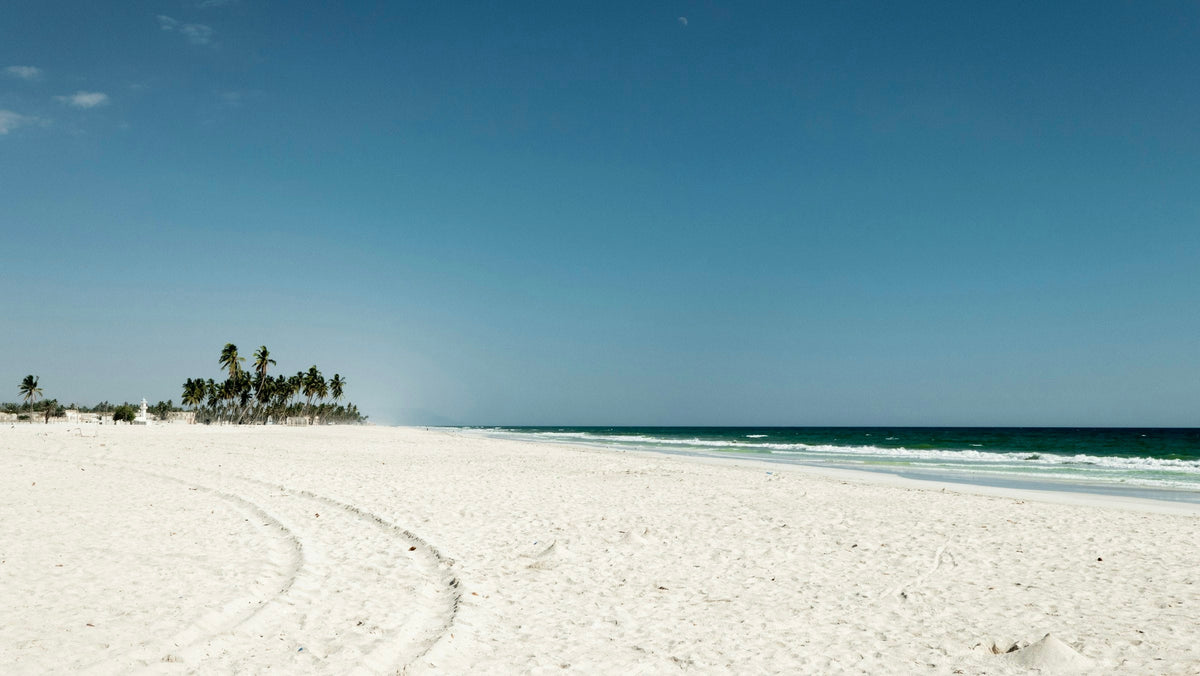
Salalah does not feel like the rest of the Arabian Peninsula. Coconut palms line the roads, banana plantations run almost to the beach, and every summer the monsoon (the khareef) turns the surrounding mountains green. Around the city, the Dhofar region adds UNESCO-listed frankincense sites, wild beaches, deep wadis and the edge of the largest sand desert on earth. Here are 15 experiences we recommend to friends and clients, with practical tips on when and how to enjoy each one.
Key takeaways
- Salalah is a year-round destination: green and misty during the khareef (roughly June to September), sunny and warm from October to April.
- Four sites of the UNESCO "Land of Frankincense" are within reach of Salalah: Al Baleed, Khor Rori, Wadi Dawkah and Shisr.
- Distances are short on the map, but mountain roads, beaches and the desert are far more enjoyable with someone who knows the terrain.
In and around Salalah city
1. Al Haffa souq and the scent of frankincense
Start where Dhofar's story starts: with frankincense. In the lanes of the Al Haffa souq, near the sea and the Al Husn palace area, stalls sell resin graded by colour and purity, clay burners, perfumes and traditional Dhofari fabrics. Ask the sellers to burn a few grains of different grades so you can compare; the lighter, more translucent resin is usually the most prized. Late afternoon and evening are the liveliest times.
2. Al Baleed Archaeological Park and the Museum of the Frankincense Land
The ruins of the medieval port of Zafar sit right on the seafront, inside a landscaped park with a lagoon and walking paths. Al Baleed is one of the four components of the "Land of Frankincense" World Heritage site, inscribed by UNESCO in 2000. The museum on site covers both Oman's maritime history and the frankincense trade, which makes it an ideal first stop to understand everything else you will see in Dhofar.
3. Sultan Qaboos Mosque in Salalah
The city's main mosque, with its white stone, elegant minarets and calm courtyards, is one of Salalah's landmarks. Visitors should dress modestly (long sleeves and trousers, a headscarf for women) and avoid prayer times. Visiting arrangements for non-Muslims can change, so check locally before you go or ask us.
4. Salalah's beaches
Salalah has kilometres of sand right on its doorstep: the long beach along the Al Haffa corniche, the quieter stretches near Al Dahariz, and the beaches around the hotel areas east of the city. Note that during the khareef the sea is rough and swimming is generally unsafe; outside the monsoon, the water is warm and inviting.
5. Roadside coconut stalls
One of Salalah's simplest pleasures: stop at one of the fruit stalls along the plantation roads, ask for a fresh coconut, and drink it in the shade. Many stalls also sell local bananas, papayas and sugar cane.
West of Salalah
6. Mughsail beach and the blowholes
About 40 minutes west of the city, the wide white beach of Mughsail ends at a limestone cliff where the sea forces water up through natural holes in the rock. When the swell is strong, especially during the khareef, the spray can shoot several metres high. Stay behind the protective grilles and keep children close.
7. Fazayah beach
Continue past Mughsail on the spectacular hairpin road into the mountains and you will reach Fazayah (Al Fizayah), a series of coves framed by cliffs and turquoise water. It is one of the most photogenic spots in Dhofar and often almost empty. The final descent is steep and partly unpaved; a 4x4 and an experienced driver are strongly recommended. Our Mughsail and west coast tour combines both beaches in one day.
The green mountains and the east
8. Wadi Darbat
Wadi Darbat is the postcard of the khareef: green slopes, a lake, grazing camels and cows, and, after good rains, waterfalls tumbling over the travertine cliffs. Outside the monsoon it stays a peaceful valley, perfect for a picnic. Water levels vary greatly from year to year, so do not count on the waterfall.
9. Ayn Athum
Ayn Athum is one of Dhofar's freshwater springs, hidden in a wooded valley in the Jebel. In season, water cascades down moss-covered rock; at other times it is a quiet spot shaded by trees. Paths can be slippery.
10. Taqah
The fishing town of Taqah, east of Salalah, is home to a restored castle that gives a good idea of traditional Dhofari life, plus a lagoon and a long beach where fishermen land their catch.
11. Sumhuram and Khor Rori
Overlooking a lagoon that opens to the sea, the ancient city of Sumhuram was a frankincense port more than two thousand years ago. Its stone walls, temple remains and the view over Khor Rori, often visited by flamingos and other birds, make it one of the most atmospheric places in Dhofar. It is part of the UNESCO "Land of Frankincense".
12. Mirbat
Mirbat is an old trading town with traditional merchant houses (some crumbling, some restored), a fort facing the sea and a quiet harbour. Nearby, the Bin Ali tomb with its distinctive domes is worth a short detour.
13. Jebel Samhan
From the plateau of Jebel Samhan, a viewpoint overlooks a vertiginous drop to the coastal plain and the sea far below. Visibility depends on the season: in the khareef, the top may be lost in mist; on a clear winter day, the panorama is unforgettable.
Towards the desert
14. Wadi Dawkah frankincense park
North of the mountains, on the road to Thumrait, Wadi Dawkah protects a natural grove of Boswellia sacra, the frankincense tree. This dry valley is also part of the UNESCO listing. Seeing the small, twisted trees in their arid landscape helps you understand why their resin was once worth its weight in gold.
15. The Empty Quarter (Rub' al Khali)
The dunes of the Rub' al Khali begin a few hours' drive north of Salalah, beyond Thumrait and the gravel plain of the Nejd. Watching the sun set over the sand, then sleeping under a sky full of stars, is a highlight of any trip to Dhofar. It requires a proper 4x4, desert driving skills and good planning; our Empty Quarter overnight trip takes care of all of it.
When to go and how to get around
- Khareef (roughly June to September): green mountains, waterfalls, mist and drizzle, cooler temperatures, and busy roads with visitors from across the Gulf. The sea is rough.
- October to April: sunshine, swimming, ideal conditions for the beaches and the desert.
- Getting around: there is little public transport to the sites. A rental car works for the city and main roads; for Fazayah, mountain tracks and the desert, a 4x4 with a local driver-guide is safer and far more enriching.
FAQ
How many days do you need in Salalah?
Three to four days let you see the city, the west coast, the eastern sites and the mountains. Add one or two days, including a night, for the Empty Quarter.
Is the khareef the best time to visit?
It depends on what you want. The khareef is unique for its greenery and waterfalls, but beaches and the desert are better from October to April.
Can I swim in Salalah?
Yes, outside the monsoon season, on calm days. During the khareef the currents are dangerous and swimming is generally discouraged.
Do I need a guide?
Not for the city. For remote beaches, mountain tracks and the desert, a registered local guide adds safety, context and access to places that are hard to find alone.
Want to see Dhofar through the eyes of someone born here? Browse our Dhofar tours or book a private day with a local driver-guide and build your own itinerary.