Khareef in Salalah: when to go and what to see
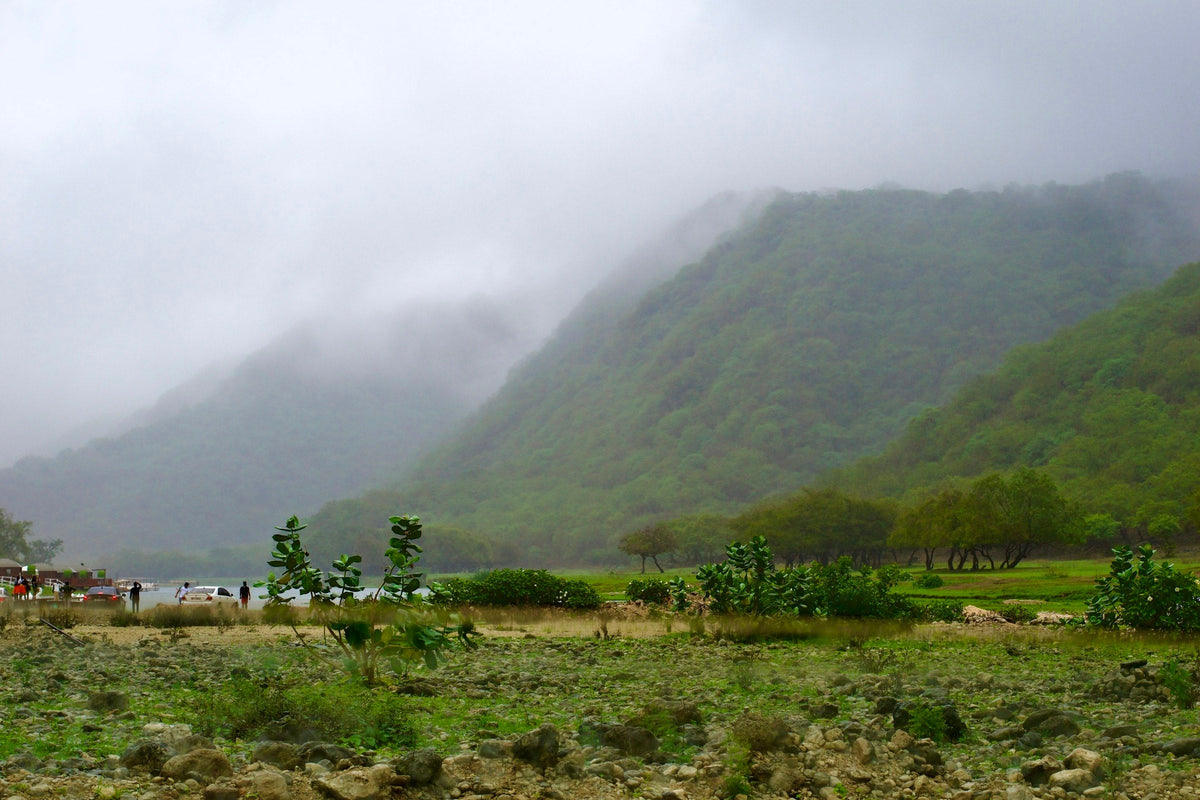
Every summer, while most of the Arabian Peninsula bakes above 45 °C, the southern governorate of Dhofar does something remarkable: it turns green. Mist rolls in from the Arabian Sea, a fine drizzle settles on the mountains around Salalah, and dry hillsides become meadows grazed by camels and cattle. This is the khareef, and it draws visitors from across Oman and the Gulf. Here is our honest, practical guide to when to go, what to see and how to enjoy it safely.
Key takeaways
- The khareef season is officially announced each year and usually runs from about 21 June to around 21 September.
- Mid-July to late August brings the thickest greenery and fullest waterfalls, but also the biggest crowds.
- Expect mild temperatures, mist and drizzle rather than heavy tropical rain.
- Fog on the mountain roads is the main risk: drive slowly or travel with a local driver-guide.
- September and the following "sarb" season offer green landscapes with blue skies and fewer visitors.
What is the khareef?
Khareef is the Arabic word for autumn, but in Dhofar it names the local monsoon. During the summer, south-westerly winds push warm, moist air over the Arabian Sea. Along the Dhofar coast, deep cold water rises to the surface (a phenomenon called upwelling). When the humid air passes over this cooler water and meets the coastal mountains, it condenses into low cloud, fog and light, persistent drizzle. The result is a narrow green belt between the sea and the Dhofar mountains, while the desert just behind the ridge stays dry.
When is the khareef season?
The authorities announce the official season each year, and it generally runs from around 21 June to around 21 September. Within that window, conditions change week by week:
- Late June to early July: the mist arrives and the hills start to turn green. Fewer visitors, lower prices.
- Mid-July to late August: peak khareef. The landscapes are at their most lush, waterfalls such as Wadi Darbat are usually flowing, and the city is at its busiest, especially during Gulf school holidays.
- September: the drizzle eases, the sun breaks through more often and crowds thin out. Many travellers consider it the sweet spot.
Rainfall varies from one year to the next, so no one can guarantee a waterfall on a specific date. If a particular site matters to you, stay flexible and ask a local guide about current conditions.
What is the weather like?
Daytime temperatures in Salalah during the khareef typically sit in the low-to-mid twenties Celsius, which feels wonderfully cool for the Gulf in summer. The coast is often grey and humid; the mountains are foggier, wetter and a few degrees cooler. Real downpours are not the norm: think fine drizzle that slowly soaks you. The sea, on the other hand, is rough throughout the season, with strong currents and big swells.
The Khareef festival
Each summer Dhofar hosts a programme of cultural, family and sporting events known as Khareef Dhofar, with the Salalah Tourism Festival as its centrepiece. In recent years the main hub has been Ittin (Atin) Square in Salalah, with concerts, traditional crafts, heritage villages, food stalls and children's activities, usually from mid-July to the end of August. Exact dates, venues and programmes change every year, so check the official announcements from Dhofar Municipality and the Ministry of Heritage and Tourism shortly before your trip.
Best places to see during the khareef
Wadi Darbat
The star of the season. About 40 km east of Salalah, this valley fills with a lake, boats, grazing camels and, in good years, a waterfall cascading over a high travertine cliff. Discover more highlights of the region on our Dhofar page.
Ayn Athum and Ayn Razat
Dhofar's springs ("ayn") are especially beautiful in the khareef. Ayn Athum, in the hills east of Salalah, can produce a striking seasonal waterfall when the monsoon is generous. Ayn Razat is a gentler spot, with a spring, pools and shaded gardens that are popular for family picnics. Our Wadi Darbat & Ayn Athum tour combines both sides of the season in one day.
Jebel Samhan viewpoints
The Jebel Samhan massif rises east of Salalah and part of it is a protected nature reserve. From the viewpoints near the top, on a clear moment, you look down over the coastal plain towards Mirbat. During the khareef the summit is often inside the cloud, so the view comes and goes: patience and a flexible schedule pay off. The nearby Tawi Atair sinkhole, the "well of birds", is an easy addition.
And also
- Mughsail and the west coast: blowholes that roar with the monsoon swell and the winding road towards the Yemeni border.
- Salalah's banana and coconut plantations and roadside fruit stands.
- The mountain plateaus around Ittin and the road to Thumrait, carpeted with grass and dotted with herds.
Driving in fog: stay safe
Every season the Royal Oman Police reminds visitors to take care on the mountain roads, where fog can reduce visibility to a few metres. Their main advice is simple:
- Slow down and keep a generous distance from the vehicle in front.
- Switch on your headlights in fog.
- Watch for camels and cattle on the road, which are common in this pastoral area.
- Never stop on the roadway to take photos; pull over in a safe place first.
- Do not drive on green areas, and avoid overtaking on the shoulder.
Also stay well away from cliff edges and rough seas along the coast. If you are not used to mountain driving in fog, going with a local driver-guide who knows every bend is the easiest way to relax and enjoy the scenery.
What to pack
- A light waterproof jacket or poncho, and a warm layer for the mountains.
- Shoes with good grip: paths and grass are often muddy and slippery.
- A dry bag or plastic cover for your phone and camera.
- Insect repellent and a small towel.
- Modest clothing that covers shoulders and knees, as you would anywhere in Oman.
- Cash in small notes for boat rides, snacks and roadside stalls.
Khareef or sarb season?
After the khareef comes the sarb, the period from roughly late September into October and November. The mist lifts, the sky turns blue and, for a few weeks, the mountains stay green under bright sunshine. Waterfalls fade and the sea calms down, accommodation is easier to find and photography is spectacular. If you prefer crowds, festival atmosphere and the full mystical fog, choose the khareef. If you prefer clear views, swimming weather and quiet roads, the sarb is a superb alternative.
FAQ
What is the best month to visit Salalah for the khareef?
Mid-July to late August gives the most greenery and the best chance of flowing waterfalls. Early September offers a good balance of green landscapes, better visibility and fewer crowds.
Does it rain all the time during the khareef?
No. It is mostly mist and fine drizzle, often heavier in the mountains than in town. Some days are bright, especially towards the end of the season.
Can I swim in the sea during the khareef?
It is strongly discouraged. The monsoon brings high waves and dangerous currents, and the authorities regularly warn visitors to stay away from the water and rocky cliffs.
Do I need a 4x4?
The main sites are reached by paved roads, so a regular car is usually enough. The real challenge is fog and traffic, which is why many visitors prefer a local driver-guide.
Ready to discover the khareef without worrying about fog, routes or crowds? Browse our Dhofar tours led by registered driver-guides born in the region, or book a private day in Dhofar built around what you want to see.